
How Autonomous Drones are Reducing Chemical Runoff by 30%
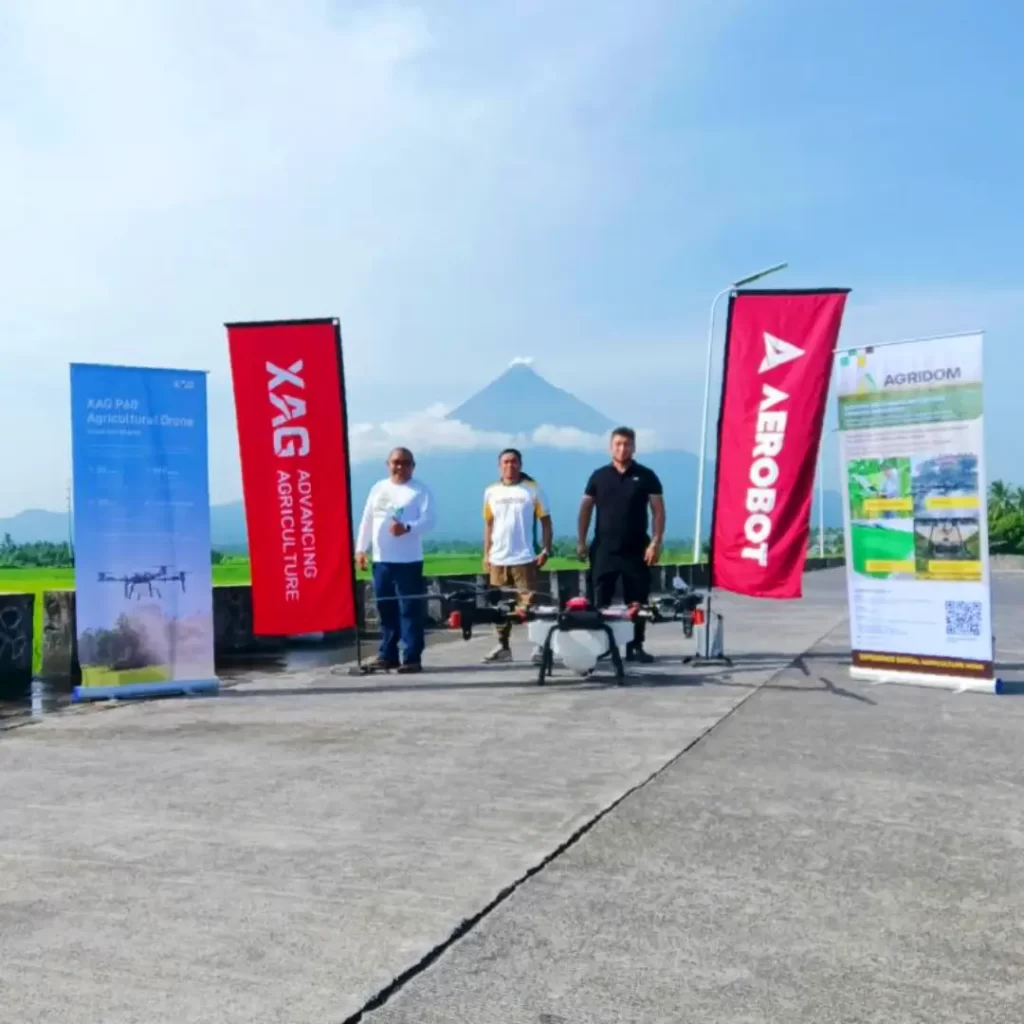
Introduction The agricultural industry has long struggled with the unintended consequences of chemical application. Traditional ground-based spraying methods often result in significant chemical runoff, contaminating water sources and harming local ecosystems. However, recent advancements in autonomous drone technology are revolutionizing this landscape. The Problem with Traditional Spraying Conventional spraying equipment applies chemicals uniformly across entire fields, regardless of actual need. This approach leads to: How Autonomous Drones Make a Difference Aerobot’s autonomous agricultural drones utilize advanced sensing technology to revolutionize chemical application: Precision Targeting Our drones are equipped with multispectral imaging sensors that identify areas of crop stress in real-time. This allows for targeted application of chemicals only where needed, reducing overall chemical usage by up to 30%. Micro-Droplet Technology Traditional spraying systems create large droplets that often drift and miss their intended targets. Our drones use advanced micro-droplet atomization, ensuring more precise deposition of chemicals directly on affected areas. Variable Rate Application The AeroSprayer X50 can adjust spray intensity in real-time based on field conditions. If an area has lower pest pressure, the drone automatically reduces application rates, further minimizing chemical waste. Real-World Results Case studies from farms using Aerobot systems show consistent results: Environmental Impact The reduction in chemical runoff has measurable environmental benefits: Economic Benefits Beyond environmental considerations, farmers benefit economically from reduced chemical usage. With costs of agricultural chemicals rising, the 30% reduction translates to significant savings that directly impact the bottom line. Looking Forward As regulatory pressure increases around agricultural chemical usage, autonomous drones present a practical solution that benefits both farmers and the environment. The technology continues to improve, with new developments in AI and sensor technology promising even greater precision. Conclusion The future of sustainable agriculture lies in precision technology. Aerobot’s autonomous drones represent a significant step forward in reducing chemical waste while maintaining or improving crop yields. By embracing this technology, farmers can contribute to environmental conservation while improving their operational efficiency and profitability.