
How Autonomous Drones are Reducing Chemical Runoff by 30%

Introduction The agricultural industry has long struggled with the unintended consequences of chemical application. Traditional ground-based spraying methods often result in significant chemical runoff, contaminating water sources and harming local ecosystems. However, recent advancements in autonomous drone technology are revolutionizing this landscape. The Problem with Traditional Spraying Conventional spraying equipment applies chemicals uniformly across entire fields, regardless of actual need. This approach leads to: How Autonomous Drones Make a Difference Aerobot’s autonomous agricultural drones utilize advanced sensing technology to revolutionize chemical application: Precision Targeting Our drones are equipped with multispectral imaging sensors that identify areas of crop stress in real-time. This allows for targeted application of chemicals only where needed, reducing overall chemical usage by up to 30%. Micro-Droplet Technology Traditional spraying systems create large droplets that often drift and miss their intended targets. Our drones use advanced micro-droplet atomization, ensuring more precise deposition of chemicals directly on affected areas. Variable Rate Application The AeroSprayer X50 can adjust spray intensity in real-time based on field conditions. If an area has lower pest pressure, the drone automatically reduces application rates, further minimizing chemical waste. Real-World Results Case studies from farms using Aerobot systems show consistent results: Environmental Impact The reduction in chemical runoff has measurable environmental benefits: Economic Benefits Beyond environmental considerations, farmers benefit economically from reduced chemical usage. With costs of agricultural chemicals rising, the 30% reduction translates to significant savings that directly impact the bottom line. Looking Forward As regulatory pressure increases around agricultural chemical usage, autonomous drones present a practical solution that benefits both farmers and the environment. The technology continues to improve, with new developments in AI and sensor technology promising even greater precision. Conclusion The future of sustainable agriculture lies in precision technology. Aerobot’s autonomous drones represent a significant step forward in reducing chemical waste while maintaining or improving crop yields. By embracing this technology, farmers can contribute to environmental conservation while improving their operational efficiency and profitability.
What Makes a Medical Facial Different? Why the Skinbase HydroFacial Goes Deeper
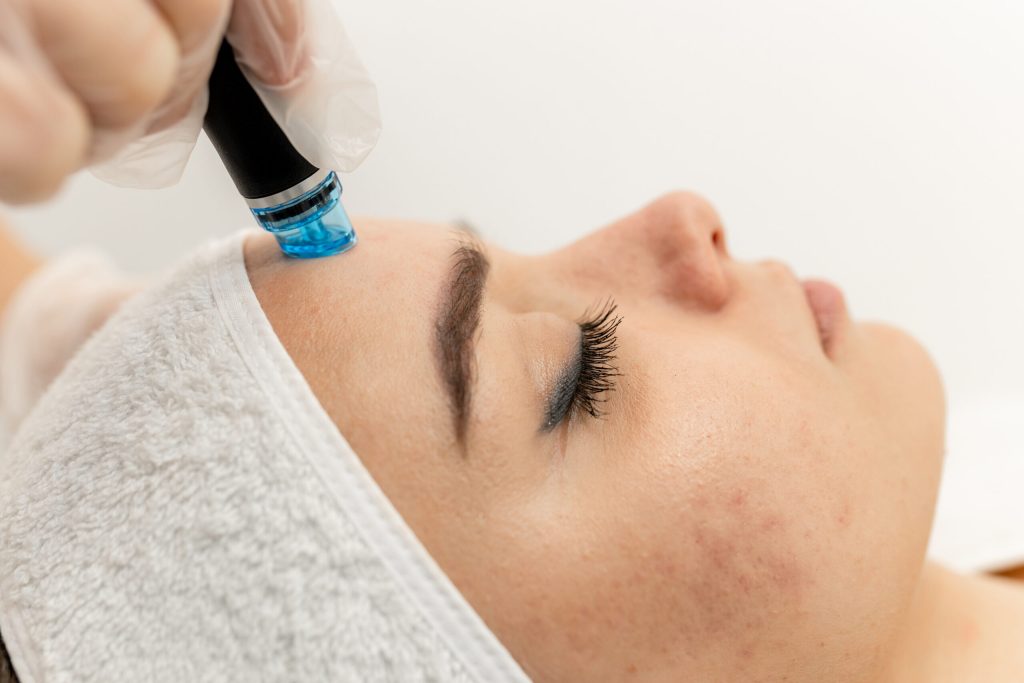
There comes a point when your favorite cleanser, moisturizer, and weekly face mask no longer seem to deliver the glow they once did. Skin can gradually lose its brightness as dead skin cells accumulate, pores become congested, and environmental stressors leave behind visible signs of fatigue. Even a diligent skincare routine may struggle to reverse these changes without professional support. This is where facials become much more than a relaxing indulgence. Modern medical facials are designed to improve skin health by addressing concerns beneath the surface rather than simply providing a temporary glow. Treatments such as the Skinbase HydroFacial combine advanced technology with medical-grade skincare to exfoliate, hydrate, and refresh the complexion in ways that traditional spa treatments often cannot. If you’ve ever wondered why some facials seem to produce longer-lasting improvements than others, keep reading. Understanding what separates a medical facial from a traditional spa facial can help you choose a treatment that supports healthier, more radiant skin for the long term. What Are Facials? Knowing what a professional facial actually accomplishes makes it easier to appreciate the difference between routine skincare and medical-grade skin rejuvenation. A facial is a professional skincare treatment designed to improve the appearance and overall health of the skin. Depending on the patient’s needs, a facial may cleanse, exfoliate, hydrate, calm irritation, reduce congestion, and support healthier skin renewal. While every treatment is customized differently, professional facials typically focus on restoring balance while helping the skin function at its best. Unlike treatments found in many traditional spas, medical facials often incorporate advanced technologies that address concerns below the skin’s surface while remaining gentle enough for regular maintenance. The Skinbase HydroFacial in Suwanee is an excellent example of this modern approach. By combining crystal-clear microdermabrasion with intensive hydration, it refreshes the complexion while supporting healthier skin over time. Why the Skinbase HydroFacial Goes Deeper Beautiful skin begins with healthy skin. Rather than providing only temporary softness, the Skinbase HydroFacial uses multiple technologies that work together to improve both the appearance and condition of the complexion. This comprehensive approach is one of the reasons many patients choose a medical facial when they want longer-lasting improvements. 1. It Combines Two Advanced Treatments One of the biggest differences between the Skinbase HydroFacial and many traditional facials is that it blends two proven skin rejuvenation techniques into one seamless treatment. The procedure combines professional microdermabrasion with intensive hydration, allowing exfoliation and moisture replenishment to complement one another. Microdermabrasion gently removes the layer of dull, damaged skin cells that can make the complexion appear rough or tired. Once those surface cells have been cleared away, hydrating ingredients are introduced to nourish the newly revealed skin. This hydrafacial microdermabrasion treatment allows patients to enjoy multiple benefits during a single appointment, including: Instead of treating one concern at a time, the Skinbase HydroFacial addresses several common skin issues simultaneously. 2. It Provides Deeper Exfoliation Healthy skin naturally sheds old cells, but this process slows over time due to aging, environmental exposure, and everyday stress. When dead skin cells accumulate, they can contribute to: Professional microdermabrasion helps accelerate this natural renewal process by gently exfoliating the skin’s outermost layer. Unlike harsh scrubs that can create unnecessary irritation, controlled exfoliation leaves the complexion feeling smoother while encouraging healthier cellular turnover. Patients often notice that makeup applies more evenly, skincare products absorb more effectively, and their complexion appears brighter after treatment. 3. It Rehydrates Newly Renewed Skin Exfoliation is only one part of achieving healthier skin. Immediately following microdermabrasion, the Skinbase HydroFacial delivers intensive hydration to replenish moisture and improve skin comfort. This step helps support: For patients seeking a hydrofacial for dry and dull skin, this combination of exfoliation and hydration offers noticeable improvement without significant downtime. Freshly exfoliated skin is particularly receptive to nourishing ingredients, allowing hydration to complement the renewal process rather than simply sitting on the skin’s surface. 4. It Delivers a More Thorough Cleanse Daily cleansing removes dirt and makeup, but it cannot always eliminate deeper buildup inside the pores. Over time, oil, dead skin cells, and environmental debris can contribute to congestion that leaves the complexion looking uneven or feeling rough. A professional deep cleansing facial in Suwanee, GA, works more comprehensively by combining exfoliation with advanced cleansing techniques that target impurities beyond what at-home skincare can typically accomplish. Patients frequently notice: This deeper cleansing helps create an ideal foundation for healthier-looking skin while preparing the complexion to benefit from professional hydration. 5. It Supports Long-Term Skin Health Healthy skin is not built in a single appointment. It develops through consistent care that supports the skin’s natural renewal cycle over time. One of the greatest advantages of the Skinbase HydroFacial is that it focuses on both immediate improvement and lasting skin health. By routinely removing dead skin cells while replenishing moisture, the treatment creates an environment where the skin can function more efficiently. Over time, patients may notice gradual improvements such as: Rather than producing an artificial or overly polished appearance, regular treatments help the skin look refreshed because it is functioning more effectively. This makes medical facials an excellent addition to a long-term skincare plan instead of a one-time luxury. Medical Facials vs. Traditional Spa Facials Many people assume all facials deliver similar results, but the difference between a medical facial and a traditional spa facial is significant. A day spa facial is primarily designed for relaxation. While cleansing, massage, and moisturizing can temporarily improve the complexion, these treatments often focus on surface-level maintenance. A medical facial, on the other hand, combines professional skincare expertise with advanced technology to address specific skin concerns more effectively. When considering a med spa facial vs. day spa facial, patients often find that medical facials provide: The Skinbase HydroFacial exemplifies this difference by pairing crystal-clear microdermabrasion with intensive hydration in a treatment designed to improve not only how skin looks today, but how it performs over time. Personalized for Your Skin No two complexions are exactly alike. Some patients struggle with
PRP for Hair Loss: How Your Own Platelets Can Help Regrow What You’ve Lost
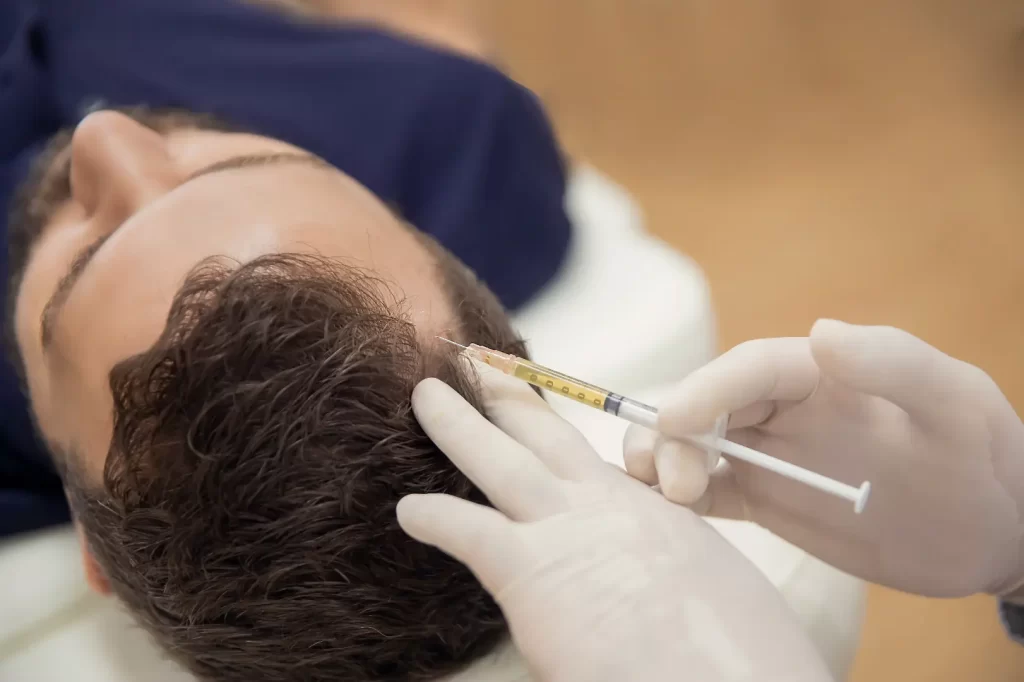
Watching your hair become thinner can be surprisingly emotional. You may notice a widening part, extra strands collecting in your hairbrush, or a once-full ponytail that suddenly feels much smaller. Hair often plays a meaningful role in confidence and self-expression, making gradual hair loss difficult for both women and men to ignore. Fortunately, today’s options extend well beyond temporary cosmetic solutions. PRP hair restoration has become one of the most talked-about non-surgical approaches because it uses your body’s own natural healing abilities to encourage healthier hair growth. Rather than masking thinning areas, the treatment focuses on creating an environment where weakened hair follicles may perform more effectively. If you’re exploring ways to address thinning hair before it becomes more advanced, continue reading. Understanding how platelet-rich plasma works can help you decide whether this innovative treatment may fit into your long-term hair restoration journey. What Is PRP Hair Restoration? Understanding how this treatment works begins with understanding one remarkable component already circulating throughout your body. PRP, or Platelet-Rich Plasma, is created from a small sample of your own blood. After the blood is collected, it is processed in a centrifuge to separate and concentrate platelets. These platelets contain numerous naturally occurring growth factors that help support tissue repair and regeneration. When introduced into targeted areas of the scalp, these concentrated platelets may help stimulate hair follicles that have become less active over time. Unlike surgical hair transplantation, PRP is considered a minimally invasive procedure that uses your own biological material. Today, platelet-rich plasma hair treatment in Georgia continues to gain popularity among patients looking for a natural way to address early and moderate hair thinning before significant hair loss develops. How Your Own Platelets Support Hair Growth One of the most fascinating aspects of PRP hair restoration is that the treatment doesn’t introduce synthetic substances into the scalp. Instead, it relies on your body’s own healing mechanisms to create conditions that may support healthier hair growth over time. 1. Growth Factors Wake Up Dormant Follicles Hair follicles naturally cycle through periods of growth, transition, rest, and shedding. Over time, genetics, aging, hormones, inflammation, and environmental factors can shorten the growth phase while extending the resting phase. As a result, hairs become thinner, finer, and shorter until some follicles stop producing visible hair altogether. Platelets contain naturally occurring growth factors that help regulate tissue repair. Researchers believe these signaling proteins may encourage weakened follicles to transition back into a healthier growth cycle, allowing them to produce thicker, stronger strands. Rather than forcing new hair to appear overnight, PRP works gradually by supporting the follicle’s natural biological processes. 2. Improved Blood Supply Nourishes the Scalp Healthy hair begins with healthy circulation. Every hair follicle depends upon oxygen and nutrients delivered through tiny blood vessels beneath the scalp. When circulation becomes less efficient, follicles may receive fewer of the resources they need to produce healthy hair. PRP may help encourage the formation of new microvascular networks around treated follicles. Improved circulation may support: For many patients considering PRP hair injections in Suwanee, GA, this regenerative approach offers an appealing alternative to treatments focused solely on slowing hair loss. 3. Supporting Healthier Hair Follicles Hair thickness depends not only on how many follicles remain active but also on the overall health of each follicle. Miniaturized follicles produce thinner hairs that often appear lighter, weaker, and more fragile. PRP may help create a healthier environment surrounding these follicles by encouraging cellular communication and tissue repair. As follicle health improves, many patients notice: Because results develop gradually, PRP is often viewed as an investment in long-term scalp health rather than a quick cosmetic fix. 4. Reducing Excessive Shedding One of the earliest improvements some patients report is less hair collecting in the shower drain or on their pillow. Excessive shedding can occur for many reasons, including hormonal fluctuations, stress, illness, nutritional deficiencies, or hereditary thinning. While PRP does not eliminate every cause of shedding, improving follicle health may help stabilize the hair growth cycle. Patients experiencing early thinning often find this encouraging because reducing ongoing loss allows existing hair to remain fuller while new growth develops over time. 5. Earlier Treatment Often Produces Better Opportunities Hair restoration is rarely about replacing every strand that has already disappeared. Instead, it is often about preserving the follicles that are still capable of producing healthy hair. This is one reason providers frequently recommend seeking evaluation sooner rather than later. Patients with mild to moderate thinning typically have more active follicles available for treatment than individuals with advanced hair loss. By supporting these follicles before significant miniaturization occurs, PRP may provide more noticeable improvements in overall hair density and thickness. Many women exploring PRP for thinning hair in Suwanee seek treatment during the early stages of widening parts or diffuse thinning, when preserving existing hair can make a substantial difference in long-term results. 6. Combining PRP With Other Hair Restoration Strategies PRP produces the best results when it becomes part of a comprehensive hair restoration plan rather than a standalone solution. Because hair loss can stem from multiple causes, including genetics, hormones, stress, nutritional deficiencies, and certain medical conditions, providers often recommend combining PRP with additional therapies tailored to each patient’s needs. Depending on the underlying cause of thinning hair, a personalized treatment plan may include: This comprehensive approach allows each component to work together toward a common goal: improving scalp health while preserving existing hair. Patients pursuing non-surgical hair restoration in Georgia often appreciate that PRP integrates well into a broader strategy instead of limiting them to a single treatment option. 7. Patience Plays an Important Role Hair grows slowly, which means PRP requires realistic expectations. Unlike cosmetic procedures that produce immediate visible changes, PRP works beneath the surface by supporting follicle activity over time. Hair follicles need several months to complete their natural growth cycle before meaningful improvements become noticeable. Many patients experience their journey in stages. During the first several weeks, the focus is happening beneath the
Hello world!
Welcome to WordPress. This is your first post. Edit or delete it, then start writing!
Why 20+ Years of Experience Makes All the Difference With Botox®

Fine lines and wrinkles can tell a story, but they do not have to take over the conversation. The small creases around the eyes, the forehead lines that deepen with every expression, and the frown lines between the brows can gradually make patients look more tired, tense, or older than they feel inside. That is where Botox® can help. When placed with skill, Botox® relaxes targeted facial muscles to soften expression lines while still allowing the face to look natural, warm, and alive. The difference is not only in the product. It is in the person holding the syringe. Experience matters deeply in aesthetic medicine. A provider with more than 20 years of injection experience understands facial movement, dosage, symmetry, subtlety, and restraint in a way that cannot be learned overnight. Continue reading to learn why expertise makes such a meaningful difference when choosing Botox®. What Is Botox®? Botox® is an injectable neuromodulator that temporarily relaxes specific muscles responsible for dynamic wrinkles. These are the lines that form from repeated facial expressions such as squinting, frowning, raising the brows, or smiling. Botox® is commonly used to treat: For patients seeking Botox® for the forehead and crow’s feet, treatment is often quick, precise, and designed around the way the face naturally moves. Botox® does not “fill” the skin the way dermal fillers do. Instead, it reduces muscle activity in targeted areas so the overlying skin can appear smoother and more relaxed. Results typically develop over several days, with full effects commonly appearing within about two weeks. Why Experience Changes Everything Botox® may be widely available, but excellent Botox® is never generic. The best results come from understanding the face as a moving, expressive structure, not just a list of injection points. 1. Experienced Injectors Understand Facial Movement Every face moves differently. Some patients raise one brow higher than the other. Some squint heavily when they smile. Others have strong forehead movement but weaker brow support. A newer injector may focus only on where the wrinkle appears. An experienced provider studies why it appears. This matters because Botox® affects muscle movement. Placing too much product in the wrong area can make the face look heavy, stiff, or unbalanced. A highly skilled injector knows how to soften lines while preserving natural expression. That is one reason patients often search for the best Botox® injector in Suwanee, GA. They want someone who understands more than the basics. They want precision. 2. Experience Helps Create Natural Results Most patients do not want to look “done.” They want to look refreshed, rested, and confident. Natural-looking Botox® results require restraint, especially in areas like the forehead and around the eyes. Too much product can flatten expression. Too little may not create the improvement patients want. An experienced injector understands how to find the balance between visible results and natural movement. The goal is not to erase personality from the face. It is to soften the lines that make patients look more tired or stressed than they feel. Patients seeking natural-looking Botox® results in Suwanee often benefit from a provider who knows when to treat, where to treat, and, just as importantly, when to hold back. 3. Dosage Is an Art and a Science Botox® dosing is not one-size-fits-all. Two patients can have the same concern but need very different treatment plans. Muscle strength, facial anatomy, age, skin quality, gender, expression patterns, and previous Botox® history all influence dosing. An experienced provider knows how to adjust units based on the individual patient instead of relying on a generic template. This helps create smoother results while reducing the risk of heaviness or asymmetry. A thoughtful Botox® plan should feel customized from the beginning. 4. Expertise Helps Avoid the “Frozen” Look The frozen look is one of the biggest fears patients have about Botox®. This often happens when too much product is placed too broadly or when the injector does not account for how facial muscles work together. The face may look stiff, shiny, surprised, or emotionally disconnected. With experience, Botox® becomes more refined. A seasoned injector understands micro-adjustments and muscle balance. They know how to soften movement instead of shutting it down completely. The best Botox® still lets patients smile, react, laugh, and look like themselves. 5. A Seasoned Injector Knows How to Protect Brow Position Forehead Botox® requires special care. The forehead muscles help lift the brows. If the area is overtreated, the brows may feel heavy or appear lower. This can make the eyes look tired instead of refreshed. An experienced injector evaluates brow position, eyelid heaviness, forehead strength, and muscle compensation before treating. This is especially important for patients who already have naturally low brows or hooded lids. Good Botox® should brighten the face, not weigh it down. 6. Experience Matters Around the Eyes Crow’s feet are one of the most popular Botox® treatment areas, but they require a delicate approach. The eye area is expressive and highly visible. Treating crow’s feet can soften lines beautifully, but placement must respect smile movement, cheek lift, and the natural shape of the eyes. A skilled injector understands how to reduce crinkling without changing the warmth of a smile. This is where experience becomes visible in the final result. The face looks smoother, but still genuine. 7. Long-Term Experience Builds Better Judgment A provider with more than 20 years of experience has likely treated many facial types, ages, concerns, and expression patterns. That history builds judgment. They have seen what works, what does not, how results settle, how patients age over time, and how treatment plans should evolve. This kind of judgment cannot be rushed. It develops through years of hands-on patient care. When choosing an experienced Botox® provider in Gwinnett County, patients are not only choosing technical skill. They are choosing the confidence that comes from years of careful decision-making. 8. An Expert Knows How to Customize for Age Botox® goals change with age. A patient in their late twenties may want preventive softening. A patient in
IV Vitamin Therapy in Suwanee: What It Does and Who It’s Actually For

Some forms of exhaustion are easy to explain. A late night, a demanding workweek, or a packed schedule can leave anyone feeling depleted. Other times, fatigue seems to linger no matter how much sleep you get. You wake up tired, struggle to focus throughout the day, and find yourself reaching for another cup of coffee just to keep moving. Modern life places constant demands on the body. Busy careers, family responsibilities, travel, exercise, stress, and even seasonal changes can affect hydration levels and nutrient balance. When the body is working harder than usual, many people begin looking for ways to support their overall wellness and energy levels. That is one reason IV vitamin therapy has become increasingly popular among patients seeking a proactive approach to feeling their best. By delivering fluids, vitamins, minerals, and nutrients directly into the bloodstream, IV therapy offers a convenient way to support hydration, recovery, and daily wellness goals. If you’ve ever wondered whether IV vitamin therapy is only for athletes or people recovering from illness, the answer may surprise you. Keep reading to learn what IV vitamin therapy actually does, who may benefit from it, and why so many patients are incorporating it into their wellness routines. Understanding IV Vitamin Therapy Before exploring the benefits, it helps to understand what IV vitamin therapy is and why it has become a popular wellness treatment. IV vitamin therapy is a treatment that delivers fluids, vitamins, minerals, and other nutrients directly into the bloodstream through an intravenous line. Because nutrients bypass the digestive system, they are available for immediate use by the body. Many patients choose IV therapy as part of a broader wellness plan focused on hydration, recovery, energy support, and overall health. What IV Vitamin Therapy Typically Includes Depending on the treatment plan, IV therapy may contain: Each formulation may be tailored to individual goals and needs. Who May Benefit? IV vitamin therapy is often sought by patients who: While IV therapy is not intended to replace healthy habits, many patients find it complements nutrition, exercise, sleep, and wellness routines. Beyond Hydration One of the biggest misconceptions about IV therapy is that it only provides fluids. While hydration is certainly important, IV vitamin therapy may offer support in several areas of overall wellness. Let’s explore some of the ways it can help the body function more efficiently. 1. Replenishes Hydration Levels Hydration affects virtually every system in the body. When fluid levels drop, patients may notice fatigue, headaches, sluggishness, dizziness, dry skin, or difficulty concentrating. Unfortunately, many people walk around mildly dehydrated without realizing it. Hot weather, travel, exercise, long workdays, illness, and busy schedules can all contribute to fluid loss. IV vitamin therapy delivers hydration directly into the bloodstream, helping replenish fluids more efficiently than simply trying to catch up by drinking water after dehydration has already occurred. Many patients report feeling refreshed, more comfortable, and more energized after receiving hydration support. For individuals experiencing mental fatigue, IV hydration for brain fog has become a popular wellness option because proper hydration plays a key role in cognitive function and concentration. 2. Supports Energy Production Feeling tired doesn’t always mean you’re lacking sleep. The body relies on vitamins and minerals to help convert food into usable energy. When nutrient levels are less than optimal, some patients notice decreased stamina, reduced motivation, and lower productivity. B vitamins, which are commonly included in IV formulations, play an important role in energy metabolism. Patients seeking IV therapy for fatigue and energy often choose treatments designed to support the body’s natural energy-producing processes. While IV therapy is not a substitute for healthy sleep habits, it may provide valuable nutritional support for those feeling run down by busy schedules. Many patients appreciate that the refreshed feeling often feels different from caffeine. Rather than a temporary spike followed by a crash, they describe feeling more balanced and sustained throughout the day. 3. Helps Combat Mental Fog Few things are more frustrating than feeling mentally sluggish. Brain fog can make it difficult to focus during meetings, remember details, stay productive, or feel mentally engaged. Stress, dehydration, inadequate sleep, and nutritional imbalances can all contribute. Hydration and nutrient delivery work together to support overall cognitive wellness. Patients frequently seek IV therapy when they feel mentally exhausted from demanding schedules, extensive travel, or prolonged periods of stress. While IV therapy is not a treatment for cognitive disorders, many individuals report improved clarity and focus after addressing hydration and nutritional needs. A healthy brain depends on a healthy body, and supporting both often begins with basic wellness foundations. 4. Supports Recovery After Physical Activity Exercise is excellent for health, but intense physical activity also places demands on the body. Workouts can lead to fluid loss through sweat while also increasing the need for nutrients involved in muscle recovery and cellular repair. Athletes are not the only people who can benefit from recovery-focused wellness treatments. Busy parents, active professionals, weekend warriors, and fitness enthusiasts may all experience periods of physical fatigue. IV vitamin therapy can help replenish hydration levels and provide nutrients that support post-activity recovery. Many patients choose treatment after endurance events, long training sessions, or periods of increased physical activity when recovery feels especially important. 5. Provides Immune System Support The immune system works continuously behind the scenes. Periods of stress, lack of sleep, travel, and seasonal changes can place additional strain on the body’s natural defenses. Many IV formulations include nutrients commonly associated with immune wellness, including vitamin C and other supportive vitamins and minerals. Patients interested in IV therapy for immune support in Georgia often seek treatment during demanding seasons when maintaining overall wellness feels especially important. Although no treatment can guarantee immunity from illness, supporting the body with proper hydration and nutrition can help create a stronger foundation for overall health. 6. May Improve Skin Appearance Healthy skin starts from within. Topical products certainly play a role in skincare, but hydration and nutrition also contribute significantly to how skin looks and
HydroFacial vs. Microneedling: Which Facial Treatment Gives Better Skin Rejuvenation Results?
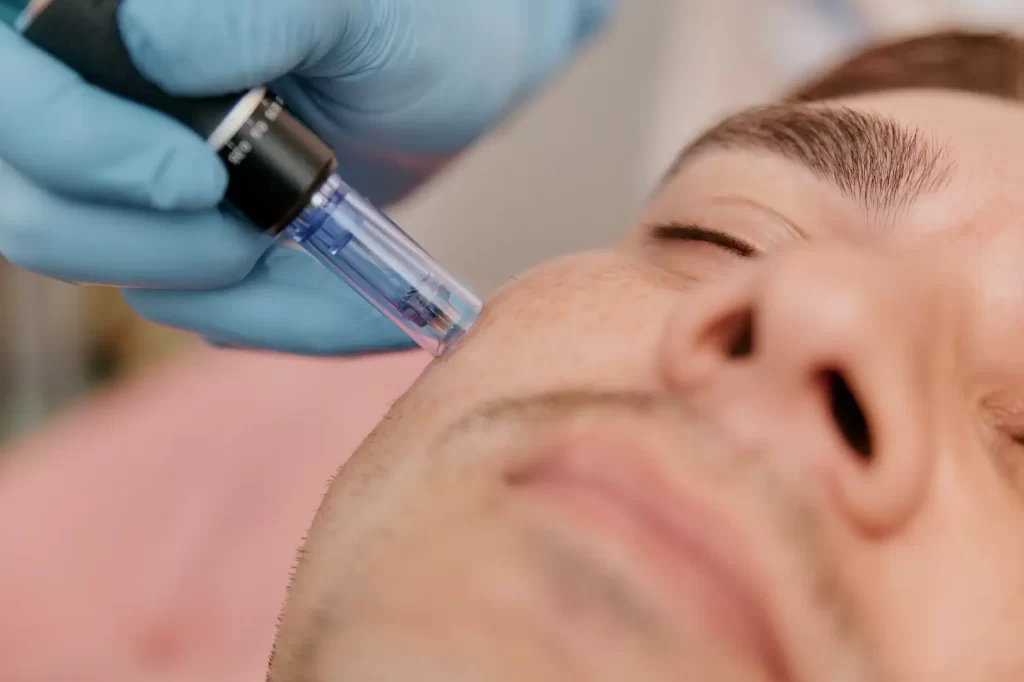
Dull skin can make the complexion look tired, dry, and uneven, even when patients follow a good skincare routine. Facials like HydroFacial and microneedling can both help refresh the skin, but they work in very different ways. HydroFacial focuses on cleansing, exfoliation, microdermabrasion, and intense hydration for an immediate glow. Microneedling creates controlled micro-injuries to stimulate collagen and improve texture over time. This guide explains why HydroFacial may deliver better skin rejuvenation results for patients who want smoother, brighter, more hydrated skin with less downtime. What Is a HydroFacial? A HydroFacial is a professional facial treatment designed to deeply cleanse, exfoliate, hydrate, and refresh the skin. Based on the SkinBase HydroFacial with Microdermabrasion, this treatment combines crystal-clear microdermabrasion with the intense hydration of a hydrofacial, creating a two-step rejuvenation experience that helps restore the complexion. Unlike a standard facial, HydroFacial gives the skin both resurfacing and hydration in one treatment. The microdermabrasion portion helps remove dead skin buildup and refine the surface, while the hydrofacial component replenishes moisture and supports a fresher, smoother glow. When comparing hydrafacial vs. microneedling, the main difference is comfort and recovery. HydroFacial is gentler and glow-focused, while microneedling is more collagen-focused and typically requires more healing time. Why HydroFacial Wins for Glow Both treatments have value, but HydroFacial often gives better skin rejuvenation results for patients who want immediate freshness, smoother texture, hydration, and a more luminous complexion without visible downtime. 1. HydroFacial Gives Immediate Radiance One of the strongest hydrafacial benefits is how quickly the skin looks refreshed. Because HydroFacial removes dull surface buildup while infusing hydration, patients often leave with a cleaner, brighter, smoother appearance. Microneedling benefits are more gradual. The treatment stimulates collagen, but the skin may look red or sensitive before improvement develops over several weeks. For patients who want the best facial for glowing skin before a dinner, event, trip, photoshoot, or work week, HydroFacial is often the more practical choice. It creates a polished glow without waiting for the healing process to unfold. 2. It Hydrates While It Exfoliates Exfoliation alone can sometimes leave skin feeling dry or tight. HydroFacial is different because it pairs resurfacing with hydration. That balance is especially helpful for patients whose skin looks dull because it is both congested and dehydrated. The microdermabrasion step smooths the surface, while the hydrofacial step restores moisture. This combination gives the skin a more supple, luminous finish. Microneedling can improve texture and collagen, but it does not provide the same instant hydration experience. Patients looking for soft, dewy skin often prefer HydroFacial for that reason. 3. It Is More Comfortable for Sensitive Patients Microneedling uses controlled micro-injuries to trigger repair. While effective, it can feel more intense and may not be ideal for patients who dislike redness, sensitivity, or recovery time. HydroFacial is generally more comfortable and approachable. It works on the surface through cleansing, exfoliation, and hydration rather than puncturing the skin. For first-time facial patients or anyone with a busy lifestyle, HydroFacial can feel like an easier introduction to skin rejuvenation treatments. 4. It Requires Little to No Downtime Downtime is a major factor when choosing between HydroFacial and microneedling. Microneedling often involves redness, sensitivity, and aftercare restrictions. Patients may need to avoid makeup, sweating, sun exposure, and active skincare for a short period. HydroFacial is typically much easier to fit into real life. Patients can often return to regular routines quickly, making it ideal for lunch breaks, weekend plans, or pre-event skin maintenance. That convenience is one of the reasons HydroFacial is often chosen as a glow treatment. It refreshes without disrupting the calendar. 5. It Helps Clear Surface Congestion Congestion can make the skin look uneven, textured, and tired. HydroFacial helps loosen and remove buildup that collects from oil, sunscreen, makeup, sweat, and environmental exposure. This makes it especially useful for patients who feel their skin looks clogged or heavy. The exfoliation and cleansing process helps create a smoother, cleaner surface. Microneedling may support acne scar improvement over time, but it is not the same as a deep cleansing and hydration treatment. For active surface congestion, HydroFacial may be the better starting point. 6. It Supports a More Even Texture HydroFacial improves texture by removing dead skin cells and refreshing the outer surface. This can make the complexion feel softer and look more refined almost immediately. Microneedling can also improve texture, especially when the concern involves deeper collagen remodeling or acne scars. However, those results take more time and may require a series. For patients with mild roughness, dullness, or uneven surface texture, HydroFacial often gives faster visible improvement. 7. It Is Ideal for Maintenance HydroFacial works beautifully as a regular maintenance treatment. Patients can schedule it monthly or seasonally to keep skin clean, hydrated, and glowing. Microneedling is usually planned more strategically because the skin needs time to heal and remodel between sessions. It may be better suited for deeper concerns, while HydroFacial is easier to repeat for a routine glow. A strong skincare plan can include both, but HydroFacial is often the better ongoing facial for consistent freshness. 8. It Helps Makeup Apply Better Dull buildup and dehydration can make makeup cling, crease, or look uneven. HydroFacial creates a smoother, more hydrated canvas, which can help foundation and tinted products sit more beautifully. This is one reason patients choose HydroFacial before events. It does not change the face; it improves the skin’s finish. Microneedling should not be done immediately before an event because the skin may need time to recover. HydroFacial is the more event-friendly option. 9. It Can Be Better for Seasonal Skin Stress Heat, air conditioning, travel, sunscreen, and weather changes can make skin look dull or depleted. HydroFacial directly addresses these seasonal issues by cleansing and hydrating in the same appointment. For patients whose skin changes throughout the year, this flexibility is valuable. The treatment can help rebalance the complexion without being overly aggressive. This makes HydroFacial one of the most versatile skin rejuvenation treatments for year-round care.
How to Choose the Right Dermal Filler for Your Face Shape and Goals
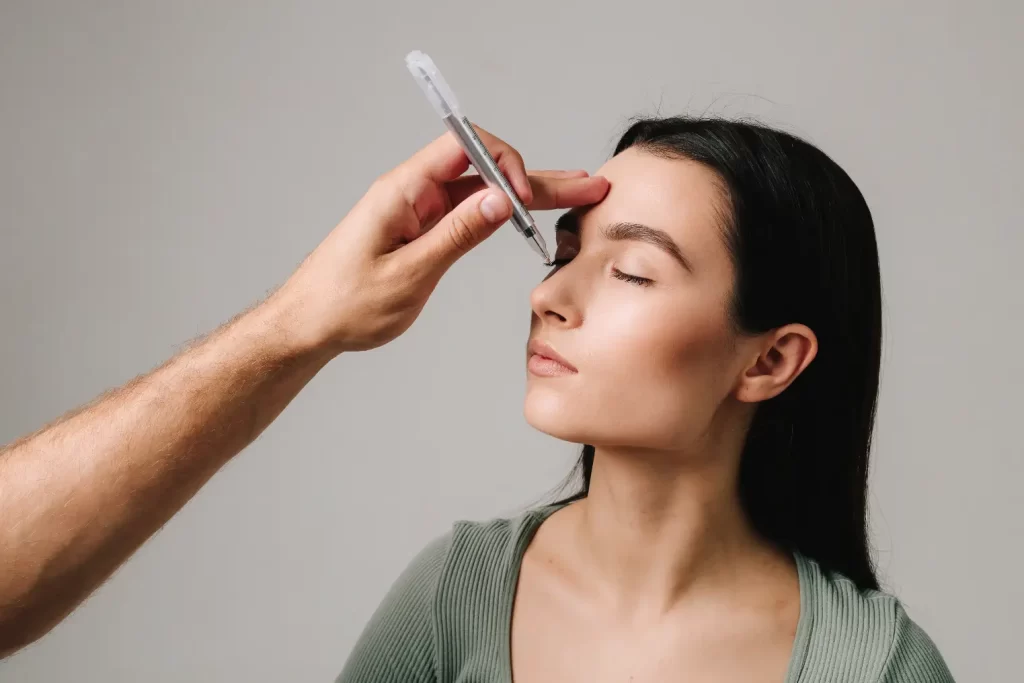
Volume restoration is not about adding more everywhere. It is about placing support where the face needs structure, softness, lift, or balance. A dermal filler can help restore youthful contours, define features, smooth shadows, and refine facial proportions without surgery. The right choice depends on your face shape, anatomy, age, and goals. This guide explains how personalized filler treatment works and why choosing dermal fillers should always be about harmony, not trends. What Is a Dermal Filler? A dermal filler is an injectable treatment used to restore volume, smooth lines, enhance contours, and improve facial balance. Most fillers are made with hyaluronic acid, a naturally occurring substance that helps support hydration and softness in the skin. Other options may stimulate collagen or provide more structural support, depending on the product and treatment area. Dermal filler brands may include names such as JUVÉDERM®, Restylane®, RHA®, Radiesse®, and Sculptra® as general references. Each product behaves differently. Some are softer and more flexible, while others are firmer and better suited for contouring or deeper support. A dermal filler may be used for: The best filler is not simply the most popular one. It is the filler that matches the tissue, movement, treatment area, and desired result. The Art of Choosing Well Choosing dermal fillers requires more than pointing to a feature and asking for volume. The face has proportions, movement, and natural architecture that should guide every decision. 1. Start With Your Face Shape Face shape plays a major role in filler planning. A round face may benefit from contour-focused placement that creates more definition. A long face may need soft midface support rather than added length. A heart-shaped face may need balance in the chin or lower face. A square face may need careful refinement that does not over-widen the jaw. This is why facial contouring fillers should be planned with the full face in mind. Adding volume to the cheeks, chin, or jawline can change how the entire face reads. A skilled injector does not treat features in isolation. They look at how each area affects the next. 2. Define the Goal First The same treatment area can have different goals. Cheek filler may be used for lift, contour, volume restoration, or softening under-eye shadows. Chin filler may be used for projection, length, symmetry, or profile balance. Before choosing a product, patients should be clear about what they want to improve. Do they want to look less tired? Sharpen the jawline? Restore lost volume? Balance the profile? Smooth folds? Add subtle lip hydration? The goal determines the strategy. A personalized filler treatment begins with intention. 3. Choose Cheek Filler for Lift and Support The cheeks are one of the most important areas for facial structure. When cheek volume decreases, the face may look flatter, lower, or more tired. Restoring the midface can create a subtle lift and improve facial balance. The best filler for cheeks is typically one that offers enough structure to support the tissue while still looking natural. The right product depends on whether the patient needs contour, volume, or gentle restoration. Cheek filler can also soften the appearance of lower-face heaviness by rebuilding support above it. This makes it a powerful option for patients who want a refreshed look without chasing every fold directly. 4. Use Jawline Filler for Definition A jawline filler treatment can help create a cleaner lower-face contour. It may be used to sharpen a soft jawline, improve symmetry, or support the transition between the face and neck. However, jawline filler must be planned carefully. Too much product can make the lower face look heavy, wide, or overly angular. The best results respect the patient’s natural bone structure and desired aesthetic. For patients who want a stronger definition, jawline filler can create polish. For patients who want softness, the approach may be more conservative. 5. Consider Chin Filler for Profile Balance The chin anchors the lower face. If the chin is recessed, short, or under-projected, the nose may appear more prominent, the jawline may look softer, and the profile may feel less balanced. Chin filler results can be subtle but highly impactful. A small amount of projection or length can improve facial harmony from the front and side. This treatment is often overlooked, but it can be one of the most elegant choices for facial balancing. The goal is not to create a larger chin. It is to bring the face into better proportion. 6. Match the Filler to the Area Different areas of the face need different filler qualities. Lips need softness and flexibility. Cheeks often need support. Jawlines and chins may need structure. Under-eyes need extreme precision and careful product selection. Using the wrong filler in the wrong area can create puffiness, heaviness, or unnatural movement. That is why product selection matters as much as placement. A refined result comes from matching the filler’s texture, lift capacity, and flexibility to the tissue being treated. 7. Respect Facial Movement The face is not still. It smiles, talks, laughs, frowns, and expresses. A dermal filler should move naturally with the face, especially in areas like the lips, cheeks, and around the mouth. If filler is too firm for a mobile area, it may look unnatural during expression. If it is too soft for a structural area, it may not provide enough support. This is where injector experience matters. Beautiful filler looks good both at rest and in motion. 8. Think About Age and Volume Loss Younger patients may choose filler for enhancement, such as lip shape, cheek contour, or chin balance. Mature patients may need restoration, such as rebuilding volume loss in the cheeks, temples, or lower face. The same product may not be right for both. Aging changes tissue quality, skin elasticity, fat distribution, and facial support. Treatment should adapt to those changes. A luxury filler plan does not treat aging by simply adding more product. It restores strategically. 9. Avoid Trend-Based Filler Trendy filler can age quickly. A lip style, cheek contour,
Botox Maintenance vs. Dermal Fillers: How to Build a Long-Term Anti-Aging Plan

Aging rarely hits all at once. It is a slow shift—lines that stay a little longer after you stop smiling, volume that quietly fades from your cheeks, skin that no longer reflects light the same way it used to. The mirror does not lie, but it also does not tell the full story. What you are seeing is not just age—it is a combination of muscle movement, collagen loss, and structural changes happening beneath the surface. This is exactly where Botox and dermal fillers step in. They are not competing treatments. They are strategic tools. One softens movement, the other restores shape. Together, they create a layered approach that feels less like “fixing” and more like refining. If you have ever wondered about Botox vs. fillers, or how to actually maintain results long-term without overdoing anything, this is where things start to click. Stay with this, because building a smart anti-aging plan is less about doing more and more, and more about doing it right. The Core Duo Before getting into long-term strategy, it is important to understand what Botox and dermal fillers actually do and why they are often used together. Botox and Fillers, Broken Down These treatments fall under anti-aging injectables, but their roles are completely different. That difference is what makes them powerful when combined. Why They Work Better Together The difference between Botox and dermal fillers is not just technical. It is functional. Botox prevents lines from deepening, while fillers rebuild what has already changed. When used together, they create a balanced result. One controls motion, the other enhances shape. It is not about choosing between them. It is about understanding how they complement each other. Strategy Over Guesswork Building a long-term plan is not about jumping into treatments randomly. It is about layering treatments in a way that evolves with your face. 1. Start With Movement Dynamic wrinkles are often the first visible signs of aging. These are the lines that show up when your face is in motion. Botox becomes the foundation here. By relaxing overactive muscles, it reduces the repetitive folding of the skin that leads to deeper lines over time. This is why Botox for wrinkles is often considered a preventative as well as corrective treatment. Over time, consistent Botox use can soften existing lines and slow the formation of new ones. It is not just about immediate results—it is about long-term control. 2. Address Volume Loss Early While Botox handles movement, fillers take care of structure. Volume loss does not always show up dramatically at first. It can be subtle, slightly flatter cheeks, less definition around the jawline, or lips that look less full than they used to. Introducing fillers at the right time allows you to restore balance before changes become more pronounced. This is where understanding lip fillers vs. Botox becomes important. They are not interchangeable. One enhances volume, the other reduces movement. A well-timed filler treatment can create a refreshed appearance without looking like anything was done. 3. Think in Layers, Not Treatments One of the biggest mistakes patients make is thinking of treatments as isolated events. A long-term anti-aging plan works differently. It is about layering: This layered approach creates results that look natural and evolve over time rather than appearing sudden or exaggerated. Timing Is Everything A major part of building a long-term plan is understanding when to treat and when to wait. 1. Botox Maintenance Rhythm Botox is not permanent, which is actually part of its advantage. Its temporary nature allows for adjustments over time. Most patients find that maintaining results requires periodic treatments. This consistency helps keep muscle activity controlled, preventing lines from returning to their previous depth. Instead of chasing wrinkles after they form, you are managing them proactively. 2. Fillers on a Different Timeline Fillers tend to last longer than Botox, but they are not static. The body gradually metabolizes the product, and changes in facial structure continue over time. A thoughtful approach to fillers involves reassessment rather than routine repetition. It is about maintaining balance, not adding more volume every time. This distinction is key when comparing Botox vs. fillers in a long-term plan. They operate on different timelines, and your plan should reflect that. Natural Results Only One of the biggest concerns patients have is looking overdone. The reality is that natural results come from strategy, not restraint alone. 1. Subtle Adjustments Add Up Small, precise treatments often create better outcomes than large, dramatic ones. This applies to both Botox and fillers. With Botox, the goal is softening, not freezing. With fillers, the goal is enhancement, not exaggeration. When treatments are spaced out and adjusted over time, the result feels effortless. People notice you look refreshed, not different. Customization Changes Everything No two faces age the same way. This is why a personalized plan is critical. Your provider considers factors like: This level of customization is what transforms anti-aging injectables from a trend into a tailored solution. Prevention vs. Correction Another key part of a long-term plan is understanding the balance between preventing changes and correcting them. 1. The Preventative Edge Starting Botox earlier can help delay the formation of deeper lines. It acts as a barrier against repetitive muscle movements that lead to wrinkles. This does not mean starting treatments prematurely. It means recognizing patterns and addressing them strategically. 2. Correcting What Has Changed Fillers are often introduced when volume loss becomes more noticeable. They rebuild what time has gradually taken away. Together, Botox and fillers create a cycle of prevention and correction that keeps your appearance balanced over time. Confidence, Not Perfection A successful anti-aging plan is not about chasing perfection. It is about feeling aligned with how you look. Patients often notice a shift in how they carry themselves after starting treatments. It is not just about smoother skin or fuller features. It is about confidence. That confidence comes from knowing your appearance reflects how you feel internally. The Long Game Building a long-term plan is
What to Expect from Your First Med Spa Visit: Botox, Fillers, and Facial Treatments Explained

Aging does not always announce itself loudly. It shows up in small ways first. Fine lines that linger longer than they used to. Skin that looks a little less firm, a little less bright. Maybe your features still look like you, but something feels slightly off balance. That is where a med spa steps in—not as a dramatic reset, but as a place where subtle, strategic changes bring everything back into alignment. Treatments like Botox, dermal fillers, and advanced facials are designed to refine, restore, and elevate your natural features without pushing you into something unrecognizable. If this is your first med spa visit, the unknown can feel like the biggest hurdle. What actually happens during the appointment? How do you know what you need? And how do these treatments work together? This guide breaks it down in a way that makes sense. From consultations to treatments and everything in between, you will walk away knowing exactly what to expect. Keep reading, because clarity changes the experience completely. The Big Three Before stepping into expectations, it helps to understand the core treatments that define most med spa experiences. Botox, Fillers, and Facials—What They Actually Do These three treatments are often grouped together, but each serves a different purpose. When combined thoughtfully, they create a balanced and natural-looking result. Understanding these categories makes it easier to navigate the med spa services explained during your visit. Each one plays a role, and your plan will likely include a combination based on your goals. Walk-In Energy Walking into a med spa for the first time can feel like stepping into a space where everyone already knows what they are doing. The reality is much more approachable than that. The First Impression Your experience starts the moment you walk through the door. The environment is designed to feel calm, polished, and welcoming. This is not a rushed medical office. It is a space where attention to detail matters. You will typically be greeted, checked in, and asked to complete a brief intake form. This is where you share basic health information and any concerns you want to address. This step sets the tone for everything that follows. It is not just paperwork. It is the beginning of a personalized experience. The Consultation Moment This is where everything shifts from general to personal. The consultation is one of the most important parts of your visit. Breaking Down the Process During the Botox consultation process or dermal filler consultation, your provider takes time to understand your goals, your concerns, and your expectations. This is not a one-sided conversation. You are encouraged to ask questions, share what you like and do not like about your appearance, and discuss what kind of results you are hoping to achieve. Your provider will also assess your facial structure, skin condition, and movement patterns. This helps determine which treatments make sense for you and how they should be approached. What Makes This Step Valuable The consultation is where unrealistic expectations get replaced with informed decisions. It is where you learn what is possible, what is recommended, and how different treatments can work together. This step is central to understanding what happens at a med spa because it shapes the entire experience. Treatment Breakdown Once the plan is set, the next step is understanding what each treatment feels like from a patient perspective. 1. Botox Experience Botox treatments are known for being quick and precise. Small amounts of product are injected into specific muscles to reduce movement that causes lines. Most patients describe the sensation as minimal, with tiny pinches that pass quickly. The focus is on accuracy rather than volume, which is why the treatment feels controlled and efficient. From a facial treatment expectations standpoint, Botox is often the least time-consuming but one of the most impactful in terms of smoothing expression lines. 2. Dermal Fillers Experience Fillers are more about shaping and restoring than relaxing. They are used to add volume in areas like the cheeks, lips, and jawline. During a dermal filler consultation, your provider will map out placement areas and discuss how much product is needed to achieve your goals. The treatment itself involves careful placement of the filler to create balance and symmetry. The focus is on subtle enhancement, not dramatic change. 3. Facial Treatments Experience Facials are where relaxation meets results. These treatments focus on improving skin quality through cleansing, exfoliation, hydration, and targeted solutions. Depending on the type of facial, you may experience a combination of techniques designed to improve texture, tone, and overall radiance. When it comes to facial treatment expectations, patients often notice immediate improvements in how their skin looks and feels. The Custom Factor One of the biggest surprises for first-time patients is how personalized everything feels. No One-Size Approach A med spa visit is not about picking treatments from a menu without guidance. It is about building a plan that fits your face, your goals, and your lifestyle. Your provider considers multiple factors, including: This level of customization is what makes non-invasive cosmetic treatments so effective. They are designed to work with you, not against your natural features. The Emotional Side There is more to a med spa visit than physical results. The emotional experience plays a big role as well. Confidence Without Overthinking Many patients walk in feeling unsure and leave feeling more confident—not because they look completely different, but because they feel more aligned with how they want to present themselves. That shift is subtle but powerful. It is about refinement, not reinvention. After the Visit Your first visit does not end when you leave the treatment room. It sets the foundation for what comes next. What You Take With You You leave with more than just visible changes. You leave with a clearer understanding of your options, your goals, and how to maintain your results. This might include recommendations for follow-up treatments or adjustments to your skincare routine. It is all part of a larger plan designed