
Watching your hair become thinner can be surprisingly emotional. You may notice a widening part, extra strands collecting in your hairbrush, or a once-full ponytail that suddenly feels much smaller. Hair often plays a meaningful role in confidence and self-expression, making gradual hair loss difficult for both women and men to ignore.
Fortunately, today’s options extend well beyond temporary cosmetic solutions. PRP hair restoration has become one of the most talked-about non-surgical approaches because it uses your body’s own natural healing abilities to encourage healthier hair growth. Rather than masking thinning areas, the treatment focuses on creating an environment where weakened hair follicles may perform more effectively.
If you’re exploring ways to address thinning hair before it becomes more advanced, continue reading. Understanding how platelet-rich plasma works can help you decide whether this innovative treatment may fit into your long-term hair restoration journey.
What Is PRP Hair Restoration?
Understanding how this treatment works begins with understanding one remarkable component already circulating throughout your body. PRP, or Platelet-Rich Plasma, is created from a small sample of your own blood.
After the blood is collected, it is processed in a centrifuge to separate and concentrate platelets. These platelets contain numerous naturally occurring growth factors that help support tissue repair and regeneration.
When introduced into targeted areas of the scalp, these concentrated platelets may help stimulate hair follicles that have become less active over time. Unlike surgical hair transplantation, PRP is considered a minimally invasive procedure that uses your own biological material.
Today, platelet-rich plasma hair treatment in Georgia continues to gain popularity among patients looking for a natural way to address early and moderate hair thinning before significant hair loss develops.
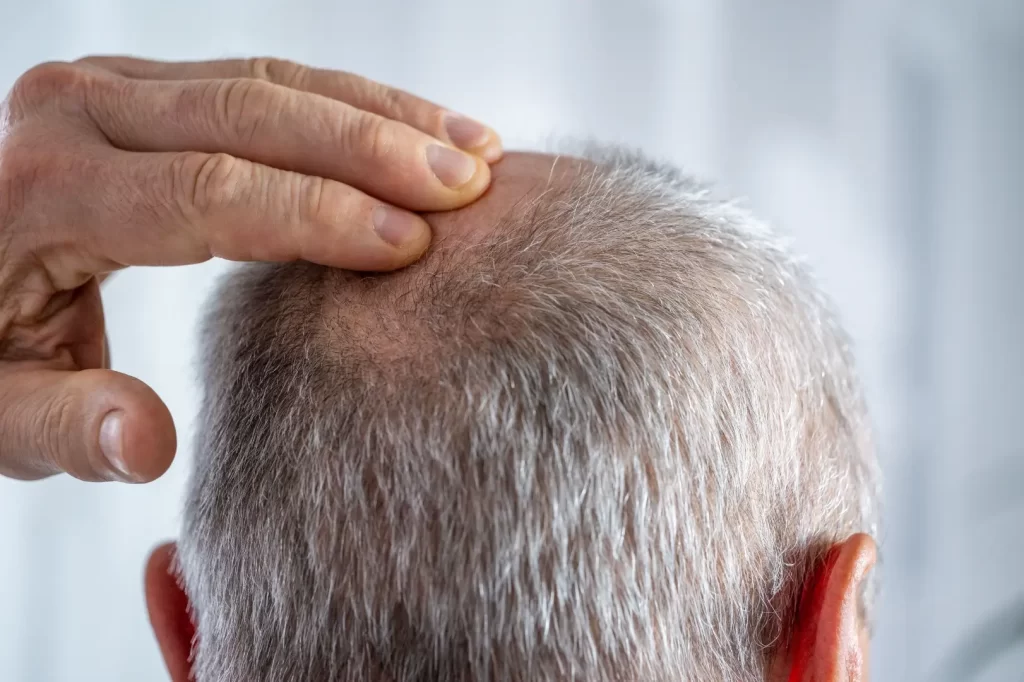
How Your Own Platelets Support Hair Growth
One of the most fascinating aspects of PRP hair restoration is that the treatment doesn’t introduce synthetic substances into the scalp. Instead, it relies on your body’s own healing mechanisms to create conditions that may support healthier hair growth over time.
1. Growth Factors Wake Up Dormant Follicles
Hair follicles naturally cycle through periods of growth, transition, rest, and shedding. Over time, genetics, aging, hormones, inflammation, and environmental factors can shorten the growth phase while extending the resting phase. As a result, hairs become thinner, finer, and shorter until some follicles stop producing visible hair altogether.
Platelets contain naturally occurring growth factors that help regulate tissue repair. Researchers believe these signaling proteins may encourage weakened follicles to transition back into a healthier growth cycle, allowing them to produce thicker, stronger strands.
Rather than forcing new hair to appear overnight, PRP works gradually by supporting the follicle’s natural biological processes.
2. Improved Blood Supply Nourishes the Scalp
Healthy hair begins with healthy circulation. Every hair follicle depends upon oxygen and nutrients delivered through tiny blood vessels beneath the scalp. When circulation becomes less efficient, follicles may receive fewer of the resources they need to produce healthy hair.
PRP may help encourage the formation of new microvascular networks around treated follicles. Improved circulation may support:
- Oxygen delivery
- Nutrient transport
- Cellular repair
- Healthier follicle activity
- Longer growth cycles
For many patients considering PRP hair injections in Suwanee, GA, this regenerative approach offers an appealing alternative to treatments focused solely on slowing hair loss.
3. Supporting Healthier Hair Follicles
Hair thickness depends not only on how many follicles remain active but also on the overall health of each follicle. Miniaturized follicles produce thinner hairs that often appear lighter, weaker, and more fragile.
PRP may help create a healthier environment surrounding these follicles by encouraging cellular communication and tissue repair. As follicle health improves, many patients notice:
- Fuller-looking hair
- Reduced daily shedding
- Improved density
- Stronger hair shafts
- Better overall hair quality
Because results develop gradually, PRP is often viewed as an investment in long-term scalp health rather than a quick cosmetic fix.
4. Reducing Excessive Shedding
One of the earliest improvements some patients report is less hair collecting in the shower drain or on their pillow. Excessive shedding can occur for many reasons, including hormonal fluctuations, stress, illness, nutritional deficiencies, or hereditary thinning.
While PRP does not eliminate every cause of shedding, improving follicle health may help stabilize the hair growth cycle. Patients experiencing early thinning often find this encouraging because reducing ongoing loss allows existing hair to remain fuller while new growth develops over time.
5. Earlier Treatment Often Produces Better Opportunities
Hair restoration is rarely about replacing every strand that has already disappeared. Instead, it is often about preserving the follicles that are still capable of producing healthy hair. This is one reason providers frequently recommend seeking evaluation sooner rather than later.
Patients with mild to moderate thinning typically have more active follicles available for treatment than individuals with advanced hair loss. By supporting these follicles before significant miniaturization occurs, PRP may provide more noticeable improvements in overall hair density and thickness.
Many women exploring PRP for thinning hair in Suwanee seek treatment during the early stages of widening parts or diffuse thinning, when preserving existing hair can make a substantial difference in long-term results.
6. Combining PRP With Other Hair Restoration Strategies
PRP produces the best results when it becomes part of a comprehensive hair restoration plan rather than a standalone solution. Because hair loss can stem from multiple causes, including genetics, hormones, stress, nutritional deficiencies, and certain medical conditions, providers often recommend combining PRP with additional therapies tailored to each patient’s needs.
Depending on the underlying cause of thinning hair, a personalized treatment plan may include:
- Physician-recommended topical treatments
- Prescription medications when appropriate
- Nutritional counseling
- Scalp care recommendations
- Vitamin or mineral supplementation if deficiencies are identified
- Lifestyle modifications that support healthy hair growth
This comprehensive approach allows each component to work together toward a common goal: improving scalp health while preserving existing hair. Patients pursuing non-surgical hair restoration in Georgia often appreciate that PRP integrates well into a broader strategy instead of limiting them to a single treatment option.
7. Patience Plays an Important Role
Hair grows slowly, which means PRP requires realistic expectations. Unlike cosmetic procedures that produce immediate visible changes, PRP works beneath the surface by supporting follicle activity over time. Hair follicles need several months to complete their natural growth cycle before meaningful improvements become noticeable.
Many patients experience their journey in stages. During the first several weeks, the focus is happening beneath the scalp as growth factors begin supporting follicle activity. Over the following months, patients may gradually notice:
- Less daily shedding
- Stronger hair strands
- Improved thickness
- Better scalp coverage
- Fuller-looking hair during styling
Visible improvement often continues developing over several treatment sessions, making consistency one of the most important factors in long-term success. Rather than expecting dramatic overnight changes, patients benefit from viewing PRP as a gradual investment in healthier hair.
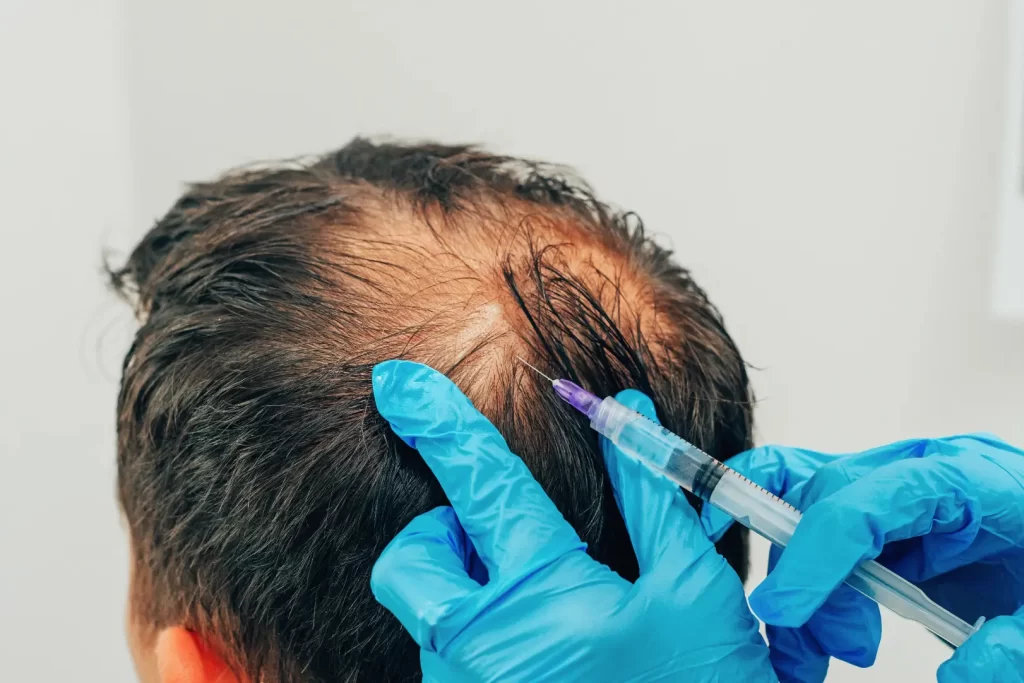
Invest in the Hair You Still Have
Healthy hair begins with healthy follicles, and early intervention can make a meaningful difference. At Essential Injectables in Suwanee, GA, every PRP hair restoration treatment is tailored to each patient’s unique pattern of hair loss, scalp health, and long-term goals.
Through personalized evaluations and thoughtful treatment planning, the team helps patients explore regenerative solutions designed to support thicker, healthier-looking hair with a natural, non-surgical approach. Whether you’ve just begun noticing thinning or are looking for an innovative way to preserve your existing hair, personalized care can help you move forward with renewed confidence.
Call us today to schedule your consultation!